Neuro Recall With Morning Coffee: Caffeine and Timing
Quick answer
Yes, you can take Neuro Recall with your morning coffee, since the label has no coffee warning. No caffeine amount is printed, and green tea extract may carry a little. Take 2 capsules with water at a meal and ask a doctor if you are sensitive to caffeine. Caffeine is not printed as a number, so keep your coffee habit in mind when judging your daily total.

Most people take a supplement beside the first cup of the day, so Neuro Recall and coffee is an everyday question. Is there a clash? Will the capsules add to your caffeine? Both are fair to ask.
The short version is that the label lists no caffeine and no coffee rule. The longer version is below. We separate what is published from what is not, and we do not guess at a number the bottle does not give.
Key facts at a glance
- The back label has no coffee or caffeine warning, and it lists no caffeine amount.
- The blend holds green tea leaf extract (NLT 50% EGCG) and L-theanine, two tea parts. Neither amount is published.
- Tea contains caffeine, and extracts vary, so the capsule’s own caffeine is unknown.
- The label sets no time of day, so many readers take the capsules with breakfast.
- Take 2 capsules a day with water. Coffee does not change that dose.
- Adults 18 and over only. Not for pregnant or nursing women, per the label.
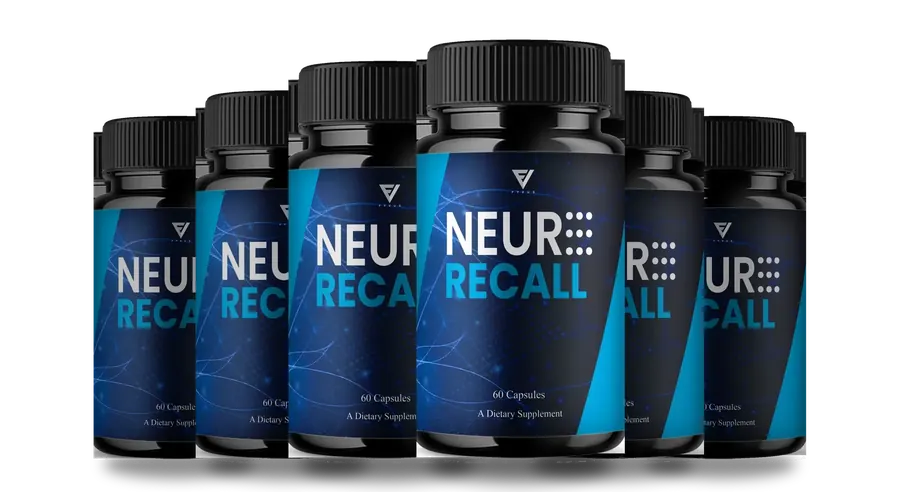
Planning your first bottle? The order page shows the full label before you pay.
This site earns a commission when you order through its links. The price you pay does not change.
What does the label say about Neuro Recall and coffee?
It says nothing about coffee, and it prints no caffeine figure.
Read the back label and the Supplement Facts panel side by side. The directions give 2 capsules daily. The warnings cover children, pregnancy and nursing, asking your provider, the safety seal and storage. Coffee and caffeine do not appear in any of them.
That means there is no printed rule against coffee. It also means there is no printed caffeine content. When we say the label “does not warn”, we mean only that: no warning was written. We are not saying that the combination has been tested.
| Question | What is known |
|---|---|
| Caffeine amount in the capsules | Not printed on the label |
| Caffeine in green tea leaf extract | Tea leaves contain caffeine; extracts vary |
| Warning about coffee | None on the label |
| Best time of day | Not published |
| Study of the capsule with coffee | None exists |
Because the number is missing, the careful move is to keep everything else steady and learn how you react.
Does the green tea extract in Neuro Recall add caffeine to your coffee?
It might, but the label does not tell you how much.
The 635 mg blend lists green tea leaf extract, standardized to not less than 50% EGCG. EGCG is a plant compound, not caffeine. The standard describes the strength of the extract. It does not say what else the extract holds.
Tea leaves contain caffeine, and extracts differ from one maker to the next. The label gives no caffeine figure and no extract amount, so we cannot calculate a total. Any number we gave you would be invented.
Here is a practical point. Even if the extract carries some caffeine, ten ingredients share the 635 mg blend, so the extract cannot be the whole of it. The real amount is not published, and we will not guess.
If you are very sensitive to caffeine, treat the capsule as a possible small source and look at how you feel in the first week.
Why do tea studies pair caffeine with L-theanine in the Neuro Recall blend?
The clearest short-term results in the tea studies came when the two were taken together.
L-theanine is an amino acid found in tea. A 2025 meta-analysis of randomized trials looked at tea, L-theanine, and L-theanine plus caffeine in healthy people. The clearest effects on attention came when the two were combined (Nutr Rev 2025, Payne et al., tea and L-theanine meta-analysis).
The trials used 50 to 400 mg of L-theanine, most often 200 mg, over short periods. Neuro Recall prints no amount for L-theanine, so the capsule cannot be matched to those trials. And no study tested Neuro Recall itself.
It would be easy to say that the capsule and a coffee make a “stack”. We cannot support that. The tea trials do not prove the same effect for a blend with unknown amounts. Treat coffee as your usual habit, not as a booster for the capsule.
When should you take Neuro Recall and coffee through the day?
The label sets no time. Pick the one you can keep.
- With breakfast. It is the easiest time to remember, and it sits next to the first coffee. Take both capsules with water, not with the cup.
- With lunch. A fair choice if mornings are rushed or if you want your caffeine to stay in the morning.
- With dinner. Fine for an evening routine. L-theanine results on sleep were inconclusive (Nutr Rev 2025, Payne et al., tea and L-theanine meta-analysis), so watch your own sleep.
- Away from other pills. Magnesium can reduce how much of some medicines the body takes up. Ask a pharmacist about gaps.
If your sleep changes, move the capsules and your last coffee earlier and see whether it helps. Change one thing at a time so that you can tell which change did what. Whatever you pick, keep it steady. The how-to-use page has the full daily routine.
What about energy drinks, caffeine pills and other tea with Neuro Recall and coffee?
Other sources add up. Count them before you add more.
Coffee is only one source. Energy drinks, pre-workout powders, caffeine pills and strong tea add caffeine too. Their labels often print a figure, and the capsule does not, so you cannot add the two. Keep other sources low in the first weeks.
A separate green tea extract pill is a bigger problem. It doubles an ingredient you cannot measure in the capsule, and green tea extract is a rare cause of liver injury (LiverTox (NIDDK), Green Tea). Avoid stacking it. Green tea extract may also raise blood pressure in some people (NCCIH, Green Tea: Usefulness and Safety).
Medicines matter as well. Green tea extract can inhibit an enzyme called CYP3A4, which breaks down many drugs. If you take prescriptions, show your pharmacist the Supplement Facts panel before the first capsule.
What should you watch for with Neuro Recall and coffee?
Most effects will be small. A few are worth a call.
Stomach upset is the effect most listed for these ingredients. Bacopa, magnesium oxide, berberine and green tea extract can each cause nausea or loose stools, and coffee can also stir the gut. Taking the capsules with a meal is a simple first step.
Dark urine, yellow skin or eyes, or pain in the upper belly mean you should stop and call a doctor that day. They are the warning signs for green tea extract (LiverTox (NIDDK), Green Tea). Coffee is not the cause of those signs, but they matter no matter what you drink.
Frequently asked questions
Can I take Neuro Recall with coffee?
The label does not warn against it. It also prints no caffeine amount. Take 2 capsules with water at a meal, keep your usual coffee steady and see how you feel.
Does Neuro Recall contain caffeine?
The label prints no caffeine amount. The blend holds green tea leaf extract, and tea contains caffeine, but extracts vary, so the real figure is not published.
Should I take Neuro Recall on an empty stomach with coffee?
The label gives no food rule. Because several ingredients can upset the stomach, taking the capsules with a meal is a simple, careful choice.
Does coffee make Neuro Recall work better?
No source shows that. Tea studies saw clearer effects when caffeine and L-theanine were combined, but those used tea or known amounts, not this blend.
Can I use an energy drink with Neuro Recall?
The label does not say. Energy drinks add caffeine you can count, and the capsule adds an unknown amount, so keep other sources low and ask a pharmacist if you take medicines.
What if I feel jittery after taking it with coffee?
Cut back on coffee first, keep the dose at 2 capsules, and move both earlier in the day. If it does not settle, stop and ask your doctor.
Is there caffeine in the NeuroRecall supplement?
The label lists no caffeine amount. The green tea extract may carry a little, and extracts vary. If you are sensitive, ask a doctor or pharmacist first.
What if I feel jittery after Neuro Recall and coffee?
Cut back on coffee and keep the label serving. If the jitters last, stop taking the capsules and ask a doctor, especially if you take other medicines.
Our view
The label lists no caffeine and gives no coffee rule, so this is a question of habit, not of a printed limit. The honest answer is that the caffeine in the capsule is unknown. Keep your usual coffee steady, take the capsules with water at a meal, and learn how you react.
Do not treat coffee as a booster, and do not add a second green tea product. If you take medicines or react strongly to caffeine, ask a pharmacist with the panel in hand.
Last updated November 27, 2026.
Page check
Written by
Writes and fact-checks every page against the Supplement Facts panel, the back label and public health sources.
Medically reviewed by
Dr. Neelum Aggarwal, MD, Physician
Medical reviewer. Review date: October 26, 2026.
- Last checked October 26, 2026
- Facts from the bottle, the sales page and the sources cited above
- Found an error? Write to [email protected] or read how we check facts