Memory and Focus Guide: Daily Habits, Doctor Checks and B12
Quick answer
Start with habits: steady sleep, regular movement, time with people, good hearing and vision, and a managed blood pressure. See a doctor when slips disrupt daily life, because causes such as low B12, medicine side effects and thyroid problems can be treated. Ask about a B12 test. A supplement comes last, as an extra, not a replacement for a check-up.
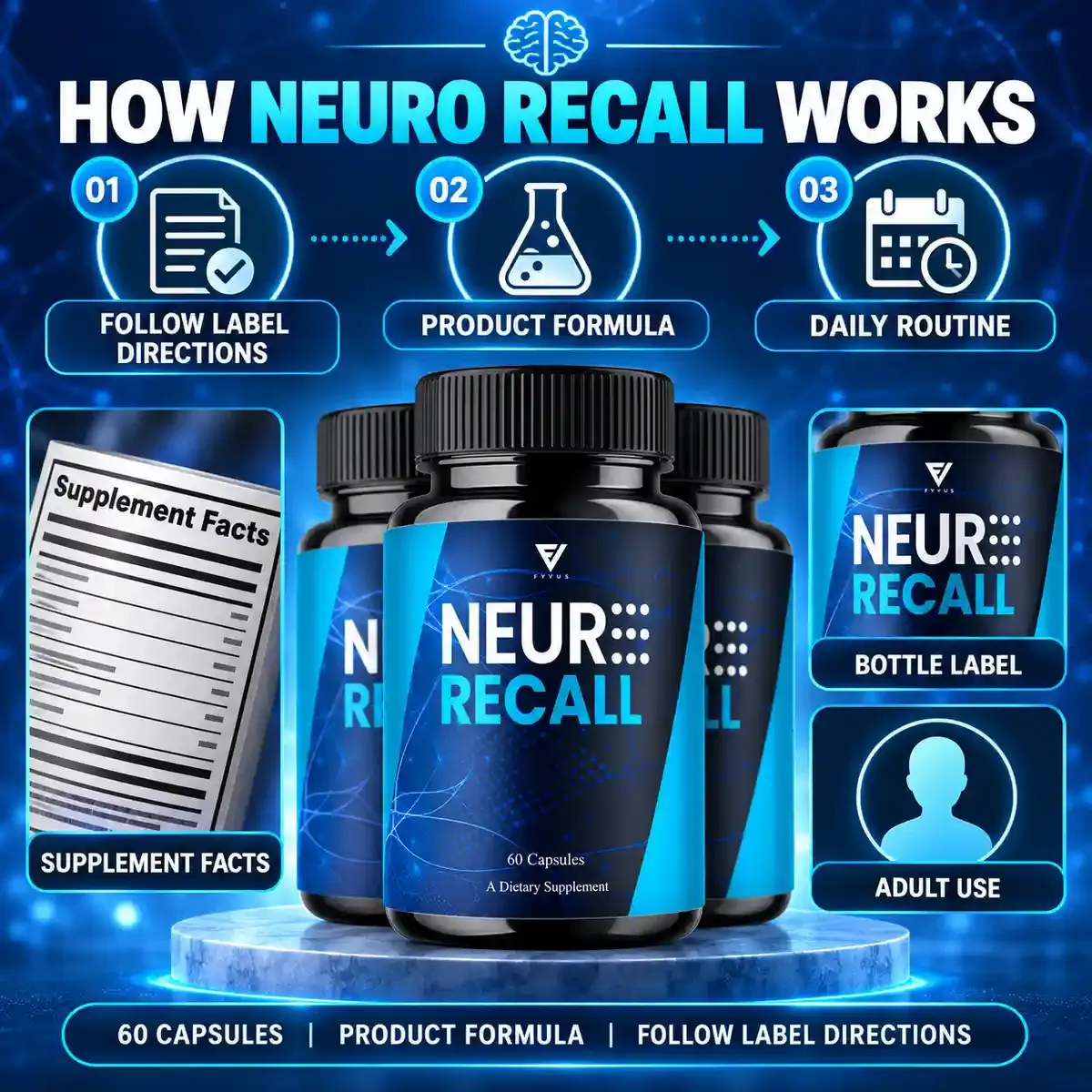
What helps memory and focus day to day?
Everyday habits come first: sleep, movement, time with people, good hearing and vision, and a managed blood pressure. None of them is a quick fix, and none costs much. Tap each habit to see why it matters and one way to start.
Every night
Sleep
Most people notice that a short or broken night makes it harder to focus and to take in new things the next day. Loud snoring, gasping at night or heavy daytime sleepiness are worth raising with a doctor.
Most days
Movement
Regular activity that warms you up, such as a brisk walk, is one of the habits most often linked with brain health. It does not need a gym. Pick something you enjoy enough to repeat, and build up slowly if you have been inactive.
Every week
Social time
Talking, listening and planning with other people asks a lot of the brain. Calls with family, a club, a class or volunteering all count.
Regular checks
Hearing and vision
It is hard to remember what you never clearly heard or saw. If you often ask people to repeat themselves, or squint to read, a hearing test or eye exam is an easy step. Use the aids you are given.
Know your numbers
Blood pressure
What is good for the heart and blood vessels is generally good for the brain. Ask what your blood pressure is, how often to check it, and take any treatment the way your doctor planned.
Review once a year
Medicines and alcohol
The National Institute on Aging (NIA) lists medicine side effects and alcohol misuse among causes of memory loss that should be treated (NIA, Forgetfulness: Knowing When to Ask for Help). A yearly review of every pill you take, supplements included, is worth asking for.
We give no hours or targets here. Your own doctor can set ones that fit your health.
How do I turn the habits into a weekly routine?
Start with one habit, not six. Pick the one that feels easiest, tie it to something you already do, and keep it for a few weeks before you add the next.
| Habit | Why it helps memory and focus | One small first step |
|---|---|---|
| Sleep | A rested brain finds it easier to focus and learn | Set one wake-up time for every day of the week |
| Movement | Activity is one of the habits most linked to brain health | Take a walk after the same meal each day |
| Social time | Conversation keeps attention and recall busy | Put one standing call or visit in the calendar |
| Hearing and vision | You cannot remember what you missed | Book a hearing test or eye exam if one is overdue |
| Blood pressure | Healthy blood vessels support the brain | Ask for your reading at your next visit |
Small focus tricks that cost nothing
- Do one task at a time, and finish it before you open the next.
- Write lists and appointments in one place you check every morning.
- Say a new name out loud when you hear it, and use it once in the talk.
- Put things you must not forget by the door the night before.
These tricks do not change how the brain ages. They just cut down the slips in a busy day.
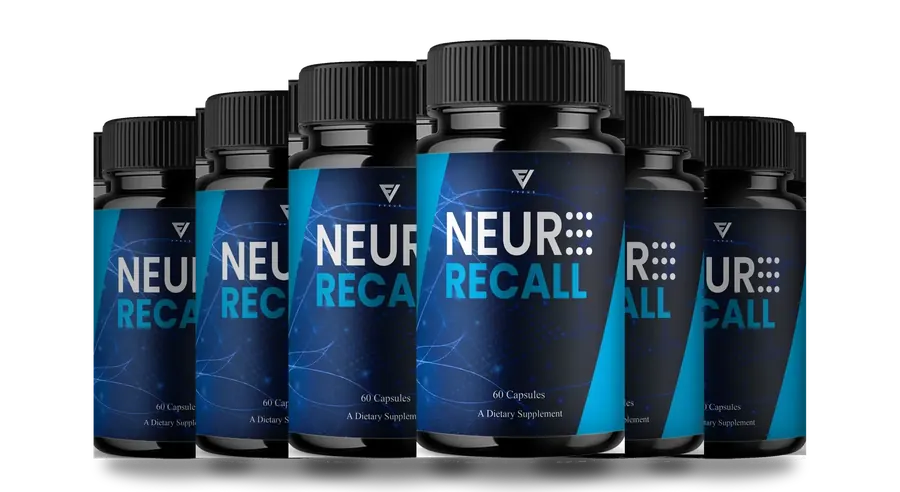
Thinking about Neuro Recall? Check today's packs on the official order page.
Money-back guarantee · Tracked US shipping · Secure checkout.
When should memory problems be checked by a doctor?
See a doctor when memory slips begin to disrupt daily life, or when they are new, getting worse, or worry the people close to you. The signs below come from the National Institute on Aging and the Alzheimer's Association.
| Sign to take seriously | Who lists it |
|---|---|
| Losing things often | (NIA, Forgetfulness: Knowing When to Ask for Help) |
| Missing important events or appointments | (NIA, Forgetfulness: Knowing When to Ask for Help) |
| More trouble finding words than others your age | (NIA, Forgetfulness: Knowing When to Ask for Help) |
| Getting confused about time, people or places | (NIA, Forgetfulness: Knowing When to Ask for Help) |
| Memory loss that disrupts daily life | (Alzheimer's Association, 10 Early Signs) |
| Trouble planning or solving problems | (Alzheimer's Association, 10 Early Signs) |
The Alzheimer's Association says not to ignore these signs and notes that early detection can open up treatment options (Alzheimer's Association, 10 Early Signs). Going early is not an overreaction.
Is it time to book a visit?
Have the slips started or got worse in the last few months?
Has a family member or friend mentioned them to you?
Do they get in the way of work, money, driving or cooking?
Have you started a new medicine, or changed a dose, lately?
Do you also feel low, worried or very tired most days?
Answer every question to see your result. Nothing is saved or sent.
No flags from these questions. Keep up the habits above and raise memory at your next routine check-up.
Book a doctor's appointment and bring a written list of what has changed and when. Many causes can be treated.
Book a doctor's appointment soon.
Which causes of memory loss can be treated?
Several common causes can be found and treated. NIA names medicine side effects, vitamin B12 deficiency, alcohol misuse, and some thyroid, kidney or liver problems (NIA, Forgetfulness: Knowing When to Ask for Help). NCCIH adds depression to the list (NCCIH, 7 Things To Know About Supplements and Alzheimer's).
This is the main reason a check-up comes before any supplement. A pill on the kitchen counter cannot tell you that your thyroid is slow or that a new medicine is making you foggy. A visit can.
How to prepare for the appointment
- 1
Write it down
Note what changed, when you first noticed it, and an example or two.
- 2
Bring every bottle
Prescriptions, over-the-counter pills and supplements, including any memory product.
- 3
Bring a second pair of ears
Someone who knows you well can add what you may not notice.
- 4
Ask about causes
Ask which treatable causes apply to you, and whether a B12 test makes sense.
- 5
Agree a follow-up
Leave with a date to review results and how you are doing.
Why test B12 instead of just taking it?
Because a test finds out if you are low, and B12 helps memory mainly in people who are low. NIA says B12 deficiency can cause memory loss and should be treated by a doctor (NIA, Forgetfulness: Knowing When to Ask for Help).
What a supplement cannot show you
The NIH Office of Dietary Supplements says B12 deficiency can cause tiredness and nerve changes, and the nerve symptoms can appear without anemia (NIH ODS, Vitamin B12 (health professional)). A blood test is how a doctor sorts this out. The same fact sheet says reviews found B vitamin supplements had little to no effect on thinking in healthy people.
There is a second catch. High folate intake might hide a B12 deficiency until nerve damage may become permanent (NIH ODS, Folate (health professional)). Neuro Recall contains both folic acid and B12, so it is not a stand-in for a check-up. The details are on our vitamin B12 and folate page.
Where does a memory supplement fit in?
Last, and as an extra. NCCIH says direct evidence that supplements can prevent Alzheimer's or other dementia is lacking, and it warns against using them as a reason to delay seeing a provider (NCCIH, 7 Things To Know About Supplements and Alzheimer's).
Those numbers come from the GEM trial (JAMA 2009, Snitz et al., GEM cognitive decline trial), the Cochrane review (Cochrane, Folic acid with or without B12 for cognition) and the Alzheimer's Association (Alzheimer's Association, Alternative Treatments). Some single ingredients, such as bacopa, have small and early studies. That is a long way from proof.
If you are healthy, have had a check-up and still want to try Neuro Recall, read our guide to choosing a memory supplement first. For the full evidence picture, see do memory supplements work? If you take a blood thinner or diabetes medicine, check Neuro Recall side effects with your pharmacist before you start.
Memory and focus: frequently asked questions
What habits help memory as you get older?
The habits most often advised are plain ones: steady sleep, regular movement, time with other people, good hearing and vision, and a managed blood pressure. Treating a cause such as low B12 or a medicine side effect can also help, which is why a check-up comes first.
What vitamins help memory loss?
Vitamin B12 and folate matter for memory mainly when someone is low in them. In people with normal levels, reviews found B vitamin supplements had little to no effect on thinking, so a blood test tells you more than a label does.
What are the warning signs that memory loss needs a doctor?
Book a visit when memory slips start to disrupt daily life: losing things often, missing appointments, more trouble finding words than friends your age, or confusion about time, people or places. Earlier checks can open up treatment options.
Should I get a B12 test if my memory is slipping?
Ask your doctor about it. NIA names vitamin B12 deficiency as a treatable cause of memory loss, and nerve symptoms can show up without anemia, so a test is more useful than guessing.
Can my medicines be causing memory problems?
They can. NIA lists medicine side effects among the treatable causes of memory loss. Bring every pill and supplement you take to your appointment so your doctor can look at the full list.
Should I take Neuro Recall instead of seeing a doctor?
No. Neuro Recall is a dietary supplement, not a treatment for memory loss, and NCCIH warns against using supplements as a reason to delay seeing a provider. Get checked first, then decide.
Page check
Written by
Writes and fact-checks every page against the Supplement Facts panel, the back label and public health sources.
Medically reviewed by
Dr. Neelum Aggarwal, MD, Physician
Medical reviewer. Review date: October 12, 2026.
- Last checked October 11, 2026
- Facts from the bottle, the sales page and the sources cited above
- Found an error? Write to [email protected] or read how we check facts