Green Tea Extract in Neuro Recall: Memory Data and the Liver Question
Quick answer
Neuro Recall's 635 mg blend includes green tea leaf extract standardized to at least 50% EGCG, but the label gives no amount, so the EGCG per serving is unknown. Memory effects in studies came mostly from tea with caffeine and L-theanine, not EGCG alone. Green tea extract is a rare but well-established cause of liver injury.
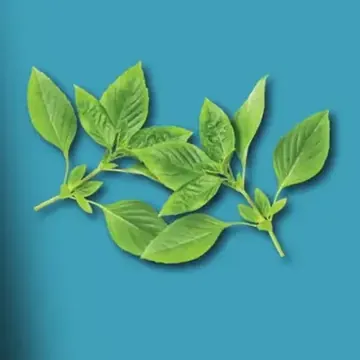
What is green tea extract?
Green tea extract is a concentrate made from the leaves of the tea plant, Camellia sinensis. It is rich in catechins, plant compounds of which EGCG (epigallocatechin gallate) is the best known.
In Neuro Recall, the label lists green tea leaf extract standardized to not less than 50% EGCG. It sits inside the 635 mg WMG-NVT Exclusive Blend with nine other ingredients, and no amount is printed for it. How it sits next to the other 13 is laid out in the Neuro Recall ingredients guide.
- Label line
- Green tea (leaf) extract, NLT 50% epigallocatechin gallate
- Where
- WMG-NVT Exclusive Blend, 635 mg in total, ten ingredients
- Amount of extract
- Not published
- Amount of EGCG
- Not published
- Caffeine
- Not listed on the label
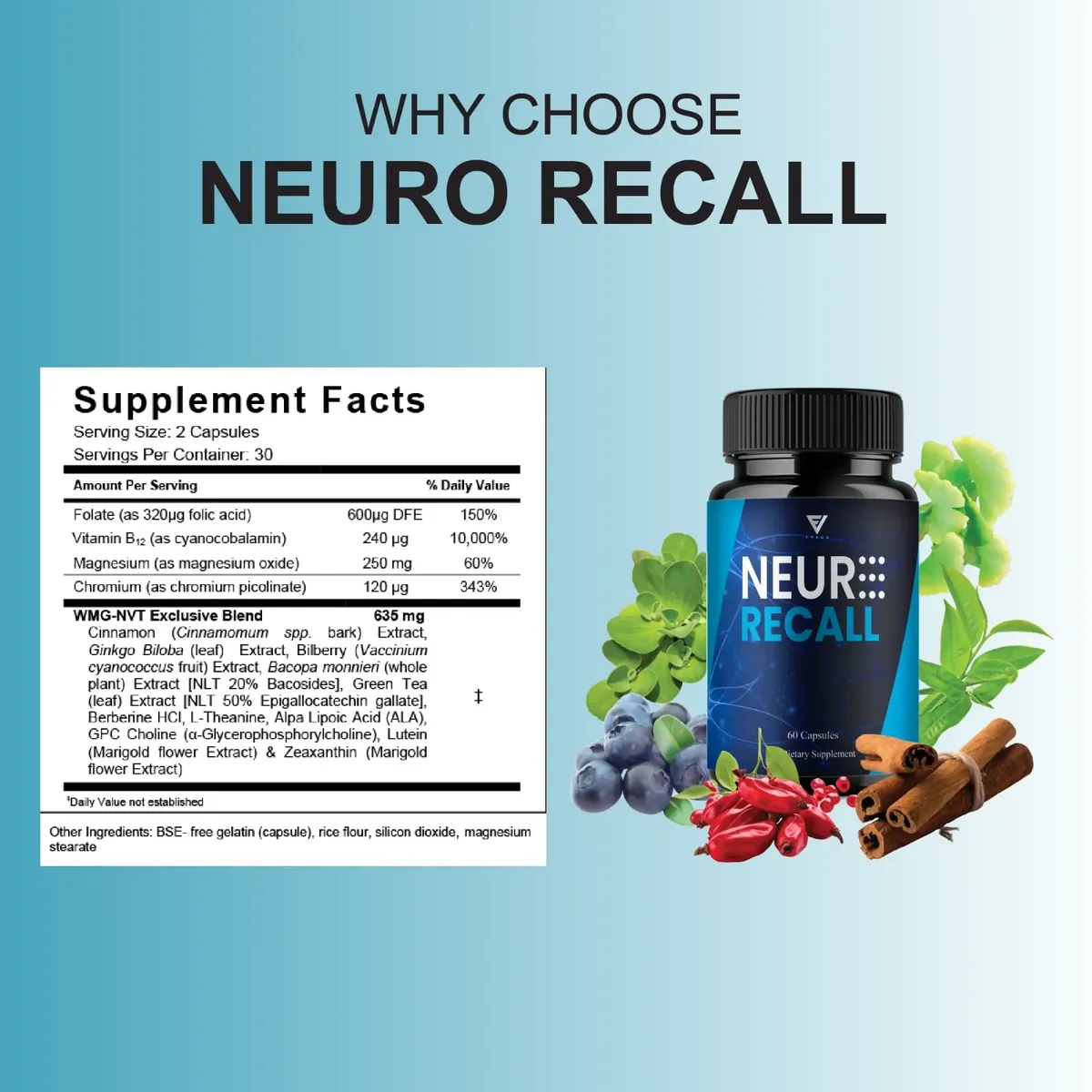
- Blend total: 635 mg One weight for ten ingredients. The split is not printed.
- NLT 50% EGCG The extract's strength. Not less than half of it is EGCG.
- The double dagger Daily Value not established, as the footnote says.
- Footnote No single amounts appear anywhere for the blend ingredients.
How is green tea extract thought to help memory?
The idea comes from tea as a drink. A cup of tea delivers EGCG together with caffeine and L-theanine, and those two are where the clearest short-term effects on attention showed up.
A 2017 review said the effects of green tea cannot be credited to any single part of the drink (Phytomedicine 2017, Mancini et al., Green tea and cognition). And a single dose of EGCG on its own showed little effect on thinking in healthy adults (Alzheimer's Drug Discovery Foundation, EGCG).
So the extract is not a stand-in for the tea studies. The amino acid side of the story is on the Neuro Recall L-theanine page.
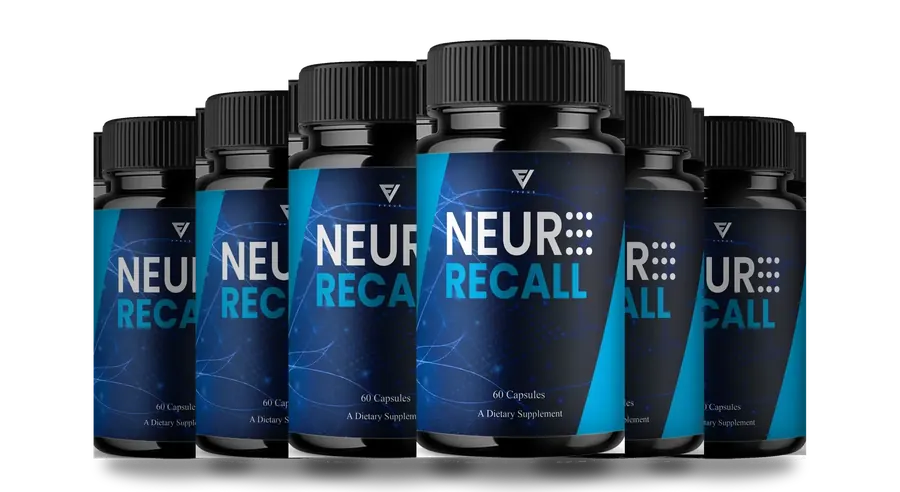
Thinking about Neuro Recall? Check today's packs on the official order page.
Money-back guarantee · Tracked US shipping · Secure checkout.
What did studies of green tea and memory find?
Some benefit for attention and memory showed up in studies of tea and its parts, mainly when caffeine and L-theanine were in the mix. Evidence for EGCG alone is thin, and nothing long-term exists.
| Source | What was studied | Dose | What it found |
|---|---|---|---|
| Mancini 2017 review (Phytomedicine 2017, Mancini et al., Green tea and cognition) | 21 studies of green tea and its parts, only 4 randomized | Not given | Benefits for memory and attention, clearest with caffeine plus L-theanine |
| ADDF, EGCG (Alzheimer's Drug Discovery Foundation, EGCG) | EGCG in thinking trials | 9 to 300 mg EGCG a day | Little effect from a single dose; no long-term studies of EGCG alone for decline or dementia |
The ADDF page is a non-profit foundation review, not a government source. It calls 300 to 400 mg of EGCG a day a commonly used supplement dose, which shows how much EGCG products can carry.
Neuro Recall green tea extract: label amount vs. studied dose
Neuro Recall does not print how much green tea extract it contains, so its EGCG cannot be compared with any study. The label gives the extract's strength, not its amount.
| Amount that matters | Per day | Source |
|---|---|---|
| EGCG in thinking trials | 9 to 300 mg | (Alzheimer's Drug Discovery Foundation, EGCG) |
| EGCG flagged for early liver signs | 800 mg or more, from supplements | (EFSA, Safety of green tea catechins (news)) |
| Extract in liver case reports | About 800 mg, about 1 g, and 1.8 to 1.9 g | (LiverTox (NIDDK), Green Tea) |
| Raised liver enzymes | Extract 800 mg; EGCG 843 to 1,600 mg | (Memorial Sloan Kettering, Green Tea (About Herbs)) |
| Green tea extract in Neuro Recall | Not published | Label: part of the 635 mg blend |
Ten ingredients share the 635 mg blend; an even split would be about 63.5 mg each, but the label does not say how it is split. The whole blend weighs less than 800 mg, yet that does not make it liver-safe: EFSA could not name a safe dose (EFSA, Safety of green tea catechins (news)), and liver injury from extracts is rare and hard to predict.
Can green tea extract hurt your liver?
Rarely, but yes. LiverTox rates green tea extract a well-established cause of liver injury, while drinking green tea is not linked to it (LiverTox (NIDDK), Green Tea).
- Start
First weeks
Most reported cases did not begin right away.
- 1 to 6 months
Main risk window
LiverTox says cases usually appeared 1 to 6 months after starting.
- Any time
Warning signs
Dark urine, yellow skin or eyes, or pain in the upper belly.
- Same day
Stop and call
Stop Neuro Recall and see a doctor. Bring the bottle so they can read the label.
Fatal liver failure has occurred in reported cases. NCCIH says the risk is uncommon and that 5 to 15 percent of Americans carry an immune-gene variant that seems to make them more susceptible (NCCIH, Green Tea: Usefulness and Safety).
Green tea extract side effects, interactions and who should skip it
Beyond the liver, extracts can cause nausea, constipation, stomach discomfort and higher blood pressure. They may also interact with medicines such as nadolol and atorvastatin (NCCIH, Green Tea: Usefulness and Safety).
Memorial Sloan Kettering adds that the extract can block CYP3A4, an enzyme that breaks down many drugs, and says not to use high-EGCG extracts if you have a liver problem (Memorial Sloan Kettering, Green Tea (About Herbs)). Answer the questions below to see where you stand.
Should you avoid green tea extract?
Have you ever had liver disease, or a liver problem from a medicine or supplement?
Do you take nadolol, atorvastatin or another regular prescription?
Do you have high blood pressure?
Do you already take another product with green tea extract?
Are you pregnant, nursing or under 18?
Answer every question to see your result. Nothing is saved or sent.
No flags here. Learn the liver warning signs above anyway; they apply to everyone who takes an extract.
Ask your doctor or pharmacist first, and bring the bottle. A past liver problem needs a direct talk about green tea extract.
Skip Neuro Recall. The label says not to use it if pregnant or nursing, and it is sold for adults.
Every effect across the formula is on the Neuro Recall side effects page, and the other plant extract with medicine cautions is covered on the berberine page.
Green tea extract: common questions
Does green tea extract help memory?
Not on its own, as far as studies show. Reviews found the clearest attention and memory effects from tea with caffeine and L-theanine, and no long-term study has tested EGCG alone against decline.
Can green tea extract harm the liver?
Rarely, it can be. LiverTox calls green tea extract a well-established cause of liver injury, with more than 100 reported cases, usually 1 to 6 months after starting.
How much EGCG is safe per day?
No safe dose has been set. EFSA linked 800 mg of EGCG a day or more from supplements to early signs of liver damage, and its experts could not name a safe level below that.
How much EGCG is in Neuro Recall?
It is not published. The label says the extract is at least 50% EGCG, but it gives no amount for the extract inside the 635 mg blend, so the EGCG per serving cannot be worked out.
Does green tea extract have caffeine?
Tea leaves contain caffeine, and extracts vary. The Neuro Recall label lists no caffeine and gives no caffeine figure, so the honest answer is that it is not known.
Does green tea extract act like a cup of green tea?
No. Drinking green tea is not linked to liver injury, while the reported cases involved concentrated extracts, mostly in tablets or capsules.
What are the side effects of EGCG green tea extract?
NCCIH lists nausea, constipation, stomach discomfort and higher blood pressure, plus rare liver injury. Stop and see a doctor if you notice dark urine or yellow skin or eyes.
What does 50% EGCG mean on a label?
It means at least half of the extract's weight is EGCG; the label says NLT, short for not less than. It tells you the strength of the extract, not how much extract is in the capsule.
Does green tea extract interact with medications?
It can. NCCIH names nadolol and atorvastatin, and Memorial Sloan Kettering says the extract can block the CYP3A4 enzyme that breaks down many drugs.
Page check
Written by
Writes and fact-checks every page against the Supplement Facts panel, the back label and public health sources.
Medically reviewed by
Dr. Neelum Aggarwal, MD, Physician
Medical reviewer. Review date: October 12, 2026.
- Last checked October 11, 2026
- Facts from the bottle, the sales page and the sources cited above
- Found an error? Write to [email protected] or read how we check facts