Does Neuro Recall Affect Blood Sugar? Four Label Ingredients
Quick answer
Four Neuro Recall label ingredients, chromium 120 mcg, berberine, cinnamon and alpha lipoic acid, have been studied for lowering blood sugar. Our sources do not link the product to high blood sugar. If you take insulin or blood sugar pills, ask your doctor before the first capsule. Several label ingredients have been examined for blood sugar, yet the brand itself makes no such promise.
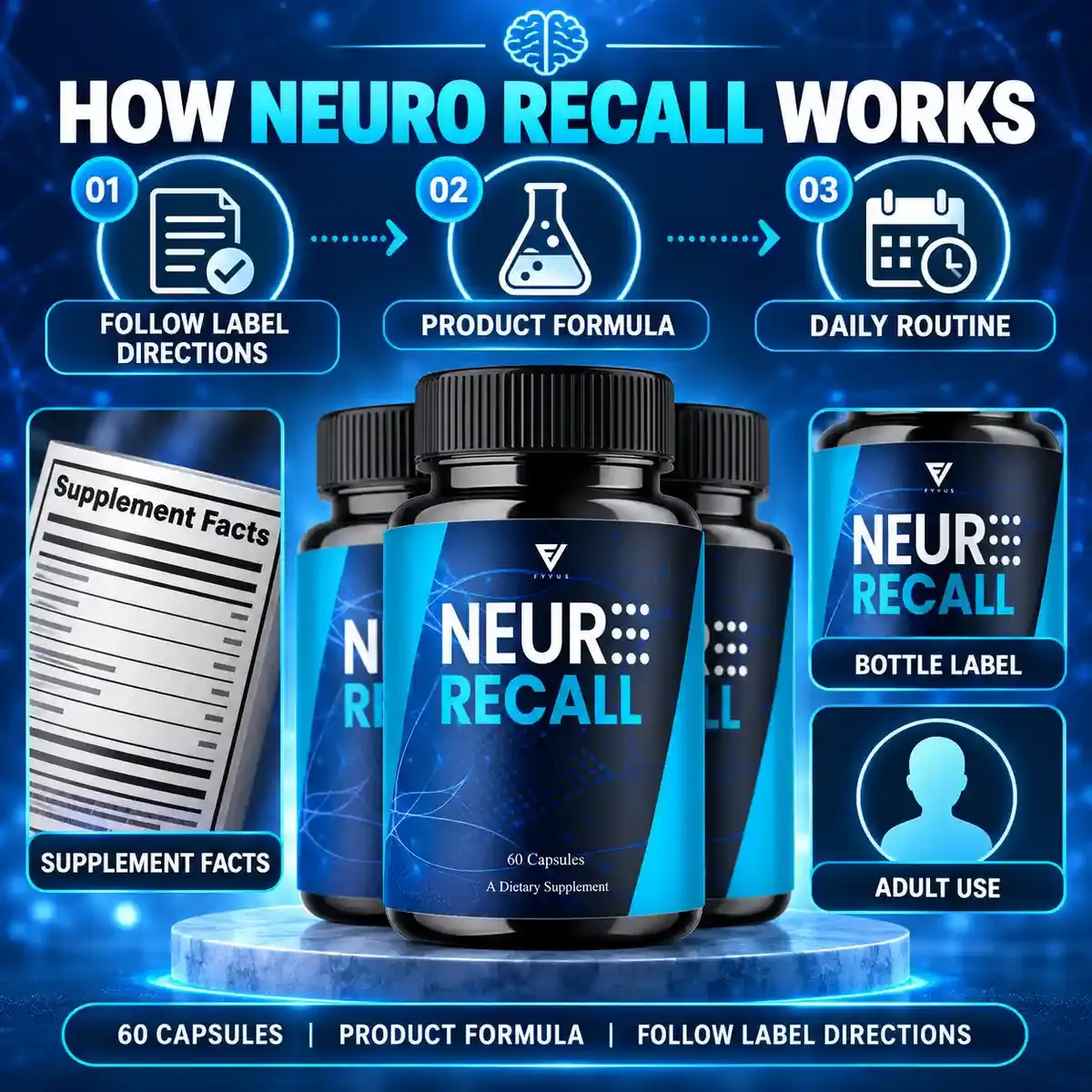
People with diabetes, or with a parent who has it, often ask one plain question before they buy a memory supplement: will it upset my blood sugar? It is a smart question, and the Neuro Recall label gives part of the answer.
This guide looks at the blood sugar side of the NeuroRecall formula only. It lists the four ingredients that matter, what the research measured, and the simple steps that keep a new supplement safe next to diabetes medicine.
Key facts at a glance
- Neuro Recall prints 120 mcg of chromium picolinate per 2-capsule serving. That is 343% of the Daily Value.
- Berberine, cinnamon bark extract and alpha lipoic acid sit inside the 635 mg WMG-NVT Exclusive Blend with no single amounts.
- All four have been studied for blood sugar, not for memory. Results in those studies varied.
- With insulin or diabetes pills, ingredients that may lower glucose could add up.
- The label says to consult your healthcare provider before use. That step matters most here.
Done your checks? The official order page shows the Neuro Recall label and the guarantee length.
This site earns a commission when you order through its links. The price you pay does not change.
Which Neuro Recall ingredients touch blood sugar?
Four of the fourteen label lines. One has a printed amount, and three do not.
| Ingredient | Amount on the label | What research looked at |
|---|---|---|
| Chromium (picolinate) | 120 mcg, 343% DV | Blood sugar control; NIH notes a possible low blood sugar risk with diabetes medicine (NIH ODS, Chromium (health professional)) |
| Berberine HCl | Not published (inside the blend) | Blood sugar and weight at about 250 to 500 mg two or three times a day (NCCIH, Diabetes and Dietary Supplements) |
| Cinnamon bark extract | Not published; listed first in the blend | Blood sugar, with results NCCIH calls unclear (NCCIH, Cinnamon: Usefulness and Safety) |
| Alpha lipoic acid | Not published (inside the blend) | Blood sugar; high doses can cause low blood sugar |
Chromium is the only one of the four with a number you can check. The other three share the 635 mg blend with seven more ingredients, so the dose of each is unknown.
Is Neuro Recall known to cause high blood sugar?
Not in the sources we read. The cautions are about blood sugar going lower.
One search we saw asked whether Neuro Recall is known to cause high blood sugar events. None of the government and research sources linked on this site tie any of its ingredients to raised blood sugar. The capsule shell is gelatin, and the other ingredients are rice flour, silicon dioxide and magnesium stearate.
The real point for people with diabetes is the opposite one. Chromium, berberine, cinnamon and alpha lipoic acid may each nudge glucose down a little. On their own, in healthy adults, that is rarely a worry. Next to insulin or a pill that also lowers blood sugar, small effects can stack (NCCIH, Diabetes and Dietary Supplements).
If your readings change after you start any new supplement, high or low, write them down and show your doctor. A log with dates is far more useful than a memory of a bad day.
What if you take diabetes medicine?
Talk first, then start with a plan your doctor agrees to.
NCCIH asks anyone on diabetes medicine to tell their providers about every supplement they take (NCCIH, Diabetes and Dietary Supplements). NIH says chromium taken with insulin or diabetes pills could raise the risk of low blood sugar (NIH ODS, Chromium (health professional)). Berberine may also affect how some diabetes pills are broken down in the body.
Bring the label
Show your doctor or pharmacist the full Supplement Facts panel, not just the front of the bottle.
List what you already take
Include any other product with chromium, berberine, cinnamon or alpha lipoic acid.
Agree on checks
Ask how often to check your blood sugar in the first weeks.
Know the signs
Shaking, sweating, sudden hunger or confusion can mean low blood sugar. Follow the plan your doctor gave you.
Keep a short log
Note the date you started, your readings and how you feel.
Why does the cinnamon line matter?
It is the largest part of the blend, and its type is not printed.
FDA rules list blend ingredients from most to least by weight. Cinnamon bark extract comes first, so it should be the biggest share of the 635 mg. The label does not say whether it is cassia or Ceylon cinnamon.
That detail matters for two reasons. Cinnamon may lower blood sugar, like the other three ingredients above. And cassia cinnamon holds coumarin, which has been linked to liver effects (NCCIH, Cinnamon: Usefulness and Safety). With no type on the label, the coumarin content cannot be known. Our side effects page covers the liver signs to watch for.
How can you keep a steady routine with Neuro Recall?
Simple habits make any change easier to spot.
The back label says to take 2 capsules daily, or as directed by your health care provider. Do not take more than 2 capsules a day without asking a clinician. Taking them with a meal may be gentler on a sensitive stomach, and a fixed time makes your log easier to read.
Start one new product at a time. If you begin Neuro Recall in the same week as a new medicine or a new diet, you will not know which one changed your readings. Our how to use page has more on timing and missed doses, and the berberine page lists the medicines that clash with it.
Frequently asked questions
Does Neuro Recall raise blood sugar?
The sources we read do not link any of its ingredients to higher blood sugar. Four ingredients were studied for lowering it, so the caution is about lows when you take diabetes medicine.
Can I take Neuro Recall with metformin or insulin?
Ask your doctor first. Chromium, berberine, cinnamon and alpha lipoic acid may add to the effect of diabetes medicine, and berberine may change how some pills are broken down.
Is the chromium in Neuro Recall too much?
It is 120 mcg, 343% of the Daily Value. No upper limit is set for chromium, but people on diabetes medicine or with kidney or liver disease should ask a doctor first.
Can Neuro Recall cause a blood sugar event?
No source on this site links it to high blood sugar. Four ingredients may lower it, so people on insulin or blood sugar pills should ask a doctor before starting.
Is the chromium in NeuroRecall a lot?
The panel prints chromium at 120 mcg per 2-capsule serving. Chromium has been studied for blood sugar, so tell your doctor or pharmacist if you take related medicines.
Our view
Neuro Recall is a memory and focus supplement, but four of its ingredients belong to the blood sugar story too. For most healthy adults that is a side note. For anyone on insulin or diabetes pills, it is the first thing to raise with a doctor.
Bring the label, agree on how to check your readings, and start it on its own. That simple plan lets you try Neuro Recall with your eyes open.
Last updated November 27, 2026.
Page check
Written by
Writes and fact-checks every page against the Supplement Facts panel, the back label and public health sources.
- Last checked November 6, 2026
- Facts from the bottle, the sales page and the sources cited above
- Found an error? Write to [email protected] or read how we check facts