Do Memory Supplements Work? What the Biggest Studies Found
Quick answer
For most healthy adults, no. NCCIH says direct evidence that supplements prevent dementia is lacking, the six-year GEM trial found ginkgo did not slow decline, and Cochrane found no consistent benefit from folic acid or B12 in older people. Bacopa and L-theanine have small, early studies, and B12 helps people who are low.
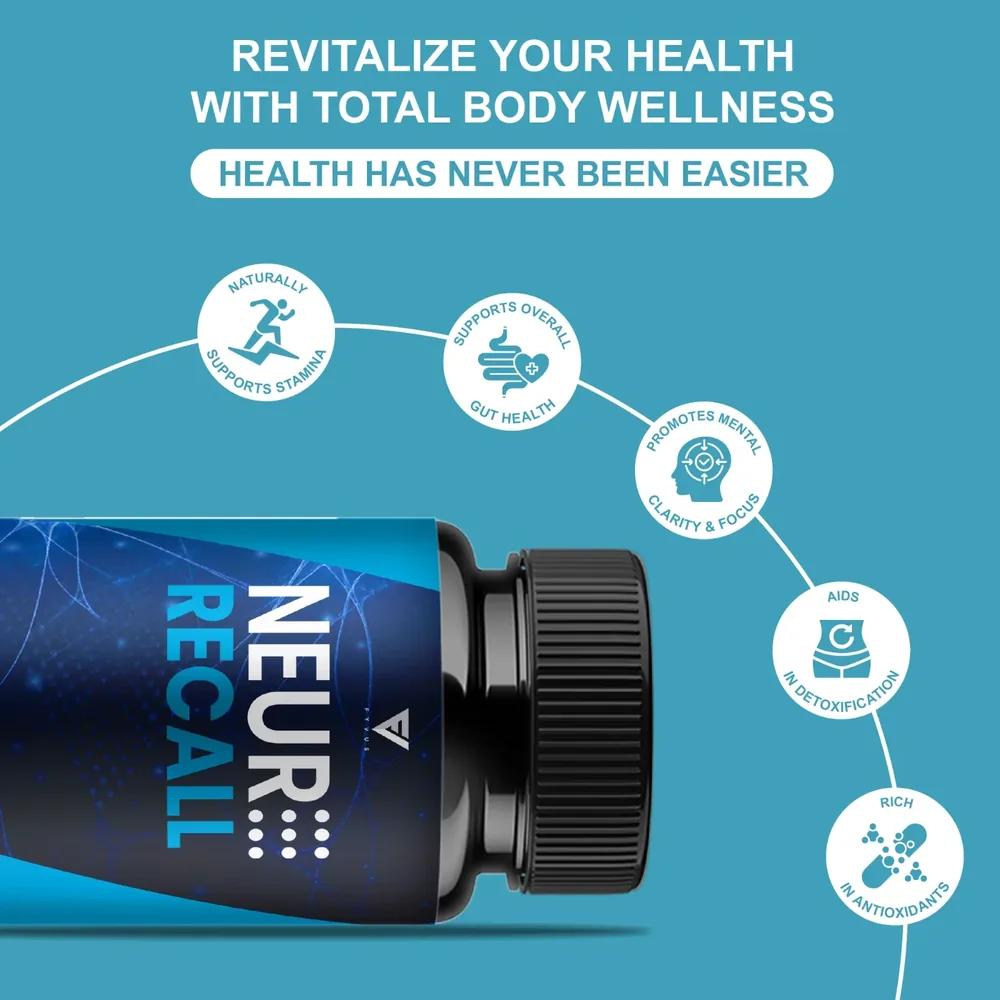
"Do memory supplements work?" is one of the most searched questions about brain health. The honest answer is less exciting than the ads, and more useful. This post goes through what the largest reviews and trials found, where the few bright spots are, and what that means for a product like Neuro Recall.
Do memory supplements work? The short answer
For most healthy adults, no supplement has been shown to improve memory or prevent dementia. NCCIH, part of the National Institutes of Health, says direct evidence that supplements can prevent Alzheimer's or other dementia is lacking (NCCIH, 7 Things To Know About Supplements and Alzheimer's).
The Alzheimer's Association goes further. It says not a single food, drink, ingredient, vitamin or supplement has been proven to prevent, treat or cure Alzheimer's (Alzheimer's Association, Alternative Treatments). There are narrow exceptions, such as fixing a real vitamin shortage, and a few small studies of single herbs.
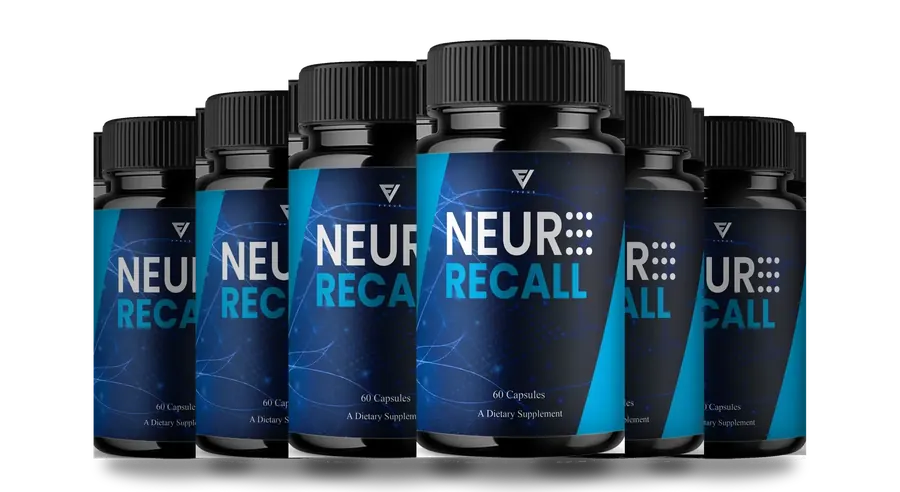
Thinking about Neuro Recall? Check today's packs on the official order page.
Money-back guarantee · Tracked US shipping · Secure checkout.
What did the biggest memory supplement studies find?
The largest and longest studies point the same way: little or no benefit for people with normal levels. The table lists the ones behind the headlines.
| Study or review | Who and how long | What it found | Source |
|---|---|---|---|
| GEM trial, ginkgo 240 mg a day | 3,069 adults aged 72 to 96, median 6.1 years | No less cognitive decline than placebo | (JAMA 2009, Snitz et al., GEM cognitive decline trial) |
| Cochrane review, ginkgo | 36 trials, most small and under three months | No convincing evidence of benefit for dementia | (Cochrane, Ginkgo biloba for dementia and cognitive impairment) |
| Cochrane review, folic acid with or without B12 | 8 placebo-controlled trials in older people | No consistent evidence of better thinking | (Cochrane, Folic acid with or without B12 for cognition) |
| Reviews of B vitamins cited by NIH | Healthy people up to 5 years; mild impairment 6 to 24 months | Little to no effect on thinking skills | (NIH ODS, Vitamin B12 (health professional)) |
| Review of choline supplements | 13 studies in healthy adults | No clear thinking benefit | (NIH ODS, Choline (health professional)) |
| Magnesium and cognition review | 3 trials and 12 cohort studies | Too few trials to conclude | (Adv Nutr 2024, Chen et al., Magnesium and cognitive health) |
Ginkgo is the clearest case. It is the best-known memory herb, and NCCIH notes that three large studies found ginkgo extract did not reduce dementia risk (NCCIH, Ginkgo: Usefulness and Safety).
Is there any good news about memory supplements?
Yes, but it is small and specific. A few single ingredients have early results at known doses, and vitamins help people who are actually low in them.
Bacopa
A meta-analysis of nine trials with 518 people found bacopa, taken for 12 weeks or more, shortened attention test times (J Ethnopharmacol 2014, Bacopa meta-analysis of RCTs). The authors still call for a large, well-designed trial. Doses and details are on our bacopa monnieri page.
L-theanine
In a 2025 review, theanine was linked to faster reaction time within the first hour, and theanine with caffeine to better attention accuracy (Nutr Rev 2025, Payne et al., tea and L-theanine meta-analysis). These were short tasks in healthy people, not long-term memory.
Lutein and zeaxanthin
Four small trials gave older adults 10 mg of lutein and 2 mg of zeaxanthin a day for a year and saw changes on brain scans (Nutrients 2021, Yagi et al., Lutein and brain health). Those are scan results, not memory scores, and the reviewers warn the studies were few and drew on similar groups of people.
B12 and folate, when you are low
Vitamin B12 deficiency can cause memory loss and should be treated (NIA, Forgetfulness: Knowing When to Ask for Help). A Cochrane review also found long-term folic acid at 800 mcg a day helped memory in healthy older people with high homocysteine (Cochrane, Folic acid with or without B12 for cognition). Who is studied changes the result. See our B12 and folate page.
How strong does evidence need to be?
Strong enough to come from people, at the dose sold, against a placebo. The FTC says health claims for supplements need competent and reliable scientific evidence, with randomized controlled human trials as the most reliable form (FTC, Health Products Compliance Guidance).
- 1
Lab and animal studies
Useful for ideas. The FTC says they are not enough on their own to back a claim.
- 2
Observational studies
Show that two things go together, not that a supplement caused the change.
- 3
Small, short trials
A real test in people, but easy to over-read. Most memory herbs sit here.
- 4
Large, long trials
Hundreds or thousands of people for months or years. GEM is one, and it was negative.
- 5
Reviews of many trials
Cochrane and similar reviews weigh all the trials together.
Testimonials sit below all of these. The FTC says they are never enough to prove a health effect, however many there are and however sincere.
Do memory supplements work in older adults?
The evidence in older adults is mostly negative. GEM enrolled people aged 72 to 96 with normal thinking or mild cognitive impairment, and no thinking area differed between ginkgo and placebo (JAMA 2009, Snitz et al., GEM cognitive decline trial).
For B vitamins, the NIH fact sheet reports no apparent effect in mild cognitive impairment over 6 to 24 months (NIH ODS, Vitamin B12 (health professional)). NCCIH adds that short-term B vitamin use has not improved thinking in older adults (NCCIH, 7 Things To Know About Supplements and Alzheimer's).
Where does Neuro Recall fit in this evidence?
No study of Neuro Recall itself has been published, so it has no results of its own. What it has is an ingredient list that overlaps with the research above.
| What the research needs | What Neuro Recall offers |
|---|---|
| A known dose of each ingredient | Amounts for 4 nutrients; 10 share a 635 mg blend |
| The dose used in trials | B12 and folic acid below trial doses; blend amounts not printed |
| A trial of the product | None published |
| Claims that match the evidence | Structure-function lines with the FDA statement |
That makes Neuro Recall a product you would choose on its ingredient list and its terms, not on proof. The full line-by-line check is in Neuro Recall ingredients vs the research.
What helps memory more than a supplement?
A check-up, then everyday habits. A doctor can look for treatable causes such as low B12, a medicine side effect or a thyroid problem. After that, sleep, regular movement, time with people, good hearing and vision, and a managed blood pressure are the habits most often advised.
Our memory and focus guide turns those habits into small weekly steps and lists the signs that call for an appointment. If you still want to try a supplement afterward, choose one with printed doses close to the studied ones, and give it the time the trials used.
Do memory supplements work? FAQ
Do any memory supplements actually work?
For most healthy adults, no supplement has been shown to improve memory or prevent dementia. A few single ingredients, such as bacopa, have small, early studies at known doses.
Do memory supplements work, according to Mayo Clinic?
We did not use Mayo Clinic as a source, so we cannot quote it. The NIH's NCCIH says direct evidence that supplements prevent dementia is lacking, and the Alzheimer's Association says none is proven to prevent or treat Alzheimer's.
Do brain supplements work for focus?
L-theanine has the clearest short-term data, with faster reaction time in the first hour in healthy adults. The effect is small and the authors call the results uncertain.
Do memory vitamins work for older adults?
Mostly not. The GEM trial gave ginkgo to 3,069 adults aged 72 to 96 for about six years with no less decline, and B vitamins showed little effect in people who were not low.
Do memory pills work?
Only in narrow cases. Treating a real B12 shortage can help, and bacopa showed modest gains in small trials. Supplements did not improve thinking in people with normal vitamin levels.
What supplements help with brain fog and memory?
None is proven for it, and brain fog was not an outcome in the trials we read. Fog with tiredness can come from low B12, poor sleep, mood or a medicine, so finding the cause comes first.
Can any supplement prevent dementia or Alzheimer's?
No supplement has been proven to. Three large studies found ginkgo did not lower dementia risk, and the Alzheimer's Association says no vitamin or supplement prevents, treats or cures Alzheimer's.
Is there a published clinical trial of Neuro Recall?
No study of Neuro Recall has been published. Research exists only for its single ingredients, often at doses the label does not confirm.
Page check
Written by
Writes and fact-checks every page against the Supplement Facts panel, the back label and public health sources.
Medically reviewed by
Dr. Neelum Aggarwal, MD, Physician
Medical reviewer. Review date: October 12, 2026.
- Last checked October 11, 2026
- Facts from the bottle, the sales page and the sources cited above
- Found an error? Write to [email protected] or read how we check facts