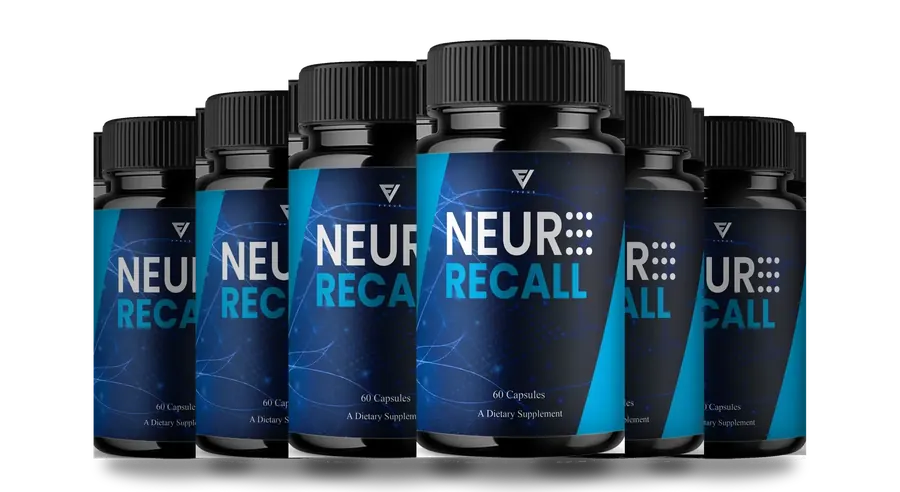
Neuro Recall Blog: Memory Supplement Research in Plain Words
Quick answer
The Neuro Recall Blog answers one searched question per post. It checks whether memory supplements work, sets each Neuro Recall ingredient beside the doses used in research, and explains ginkgo, bacopa and berberine with common medicines. Every study is linked, and every amount the label does not print is marked not published.
What has the Neuro Recall Blog published so far?
Each post takes one question that people type into search about Neuro Recall or memory supplements, and answers it from the label and public research. The newest post comes first, with its topic and reading time on the card.
Research8 min read
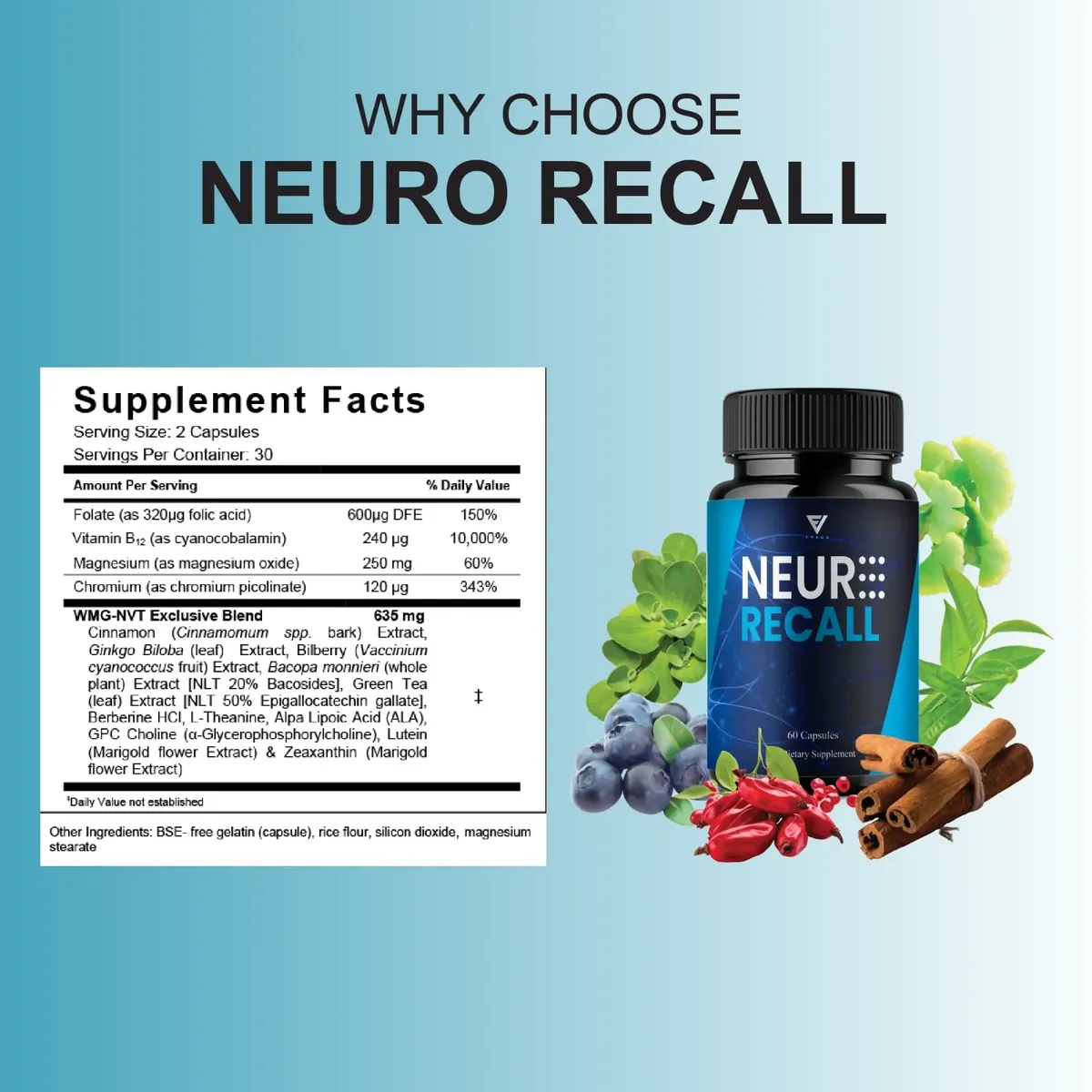
Neuro Recall Ingredients vs the Research: All 14 Label Lines Checked
Every label line beside the doses used in human trials, and the math that shows why the blend cannot match them.

Safety8 min read
Ginkgo, Bacopa and Blood Thinners: A Neuro Recall Safety Guide
Ginkgo and bleeding, bacopa and the stomach, berberine and your medicines, and who should ask a doctor first.
Evidence8 min read
Do Memory Supplements Work? What the Biggest Studies Found
What NIH, Cochrane and a six-year ginkgo trial found, where the small bright spots are, and what helps more.
Which post should I read first?
Pick the post that matches the worry you came with. Each one stands alone, so the order is up to you.
"Does any of this work?"
Start with the post on whether memory supplements work. It sums up what NIH, Cochrane and the Alzheimer's Association found, good news and bad.
"What is in the capsule?"
Read the ingredients post. It sets all 14 lines of the Neuro Recall label beside the doses used in human studies, and shows where the numbers run out.
"I take other medicines."
Read the safety post on ginkgo, bacopa and blood thinners. It also covers berberine and diabetes medicine, and lists questions for your pharmacist.
If you have new or worsening memory problems, none of these posts replaces a visit to your doctor. Several causes of memory loss, such as low vitamin B12 or a medicine side effect, can be treated.
How long are the posts?
Most take under ten minutes to read. Each opens with a short answer, uses tables for the numbers, and closes with common questions answered in two or three sentences, so you can stop as soon as you have what you need.
How is the Neuro Recall Blog written?
Every post starts from what the Neuro Recall label actually prints and works outward to the research. The label gives exact amounts for four vitamins and minerals and only a total for a ten-ingredient blend, so the missing numbers come up in every post.
- 1
Source
We collect the label lines, the brand's graphics and public sources from NIH, the FDA, the FTC, Cochrane and the Alzheimer's Association. Each one is opened and read before it is cited.
- 2
Check
Every number is matched to its source. If the label does not print a figure, the post says "not published" and moves on instead of guessing.
- 3
Review slot
Each post carries a medical review line. It reads Dr. Neelum Aggarwal, MD, Physician until a review has really taken place.
- 4
Date
Each post shows when it went up and when it last changed. A correction moves the updated date.
What you will not find here
No star ratings, customer quotes or before-and-after stories, because we could not verify any. No promise that memory will improve, either. Neuro Recall is a dietary supplement, not a medicine, and study results are reported as results for the single ingredient that was studied.
What do the research words in our posts mean?
The posts use a few research terms again and again. Here they are in plain words, so a study summary is easier to weigh.
- Randomized controlled trial
- People are split by chance into groups, and one group gets a dummy pill. The FTC calls this the most reliable kind of evidence for a health claim.
- Placebo
- The dummy pill. If the real group does no better than the placebo group, the ingredient did not show an effect in that trial.
- Systematic review
- Researchers gather every trial on one question that meets set rules and judge them together. Cochrane reviews are one well-known kind.
- Meta-analysis
- A review that pools the numbers from several trials to get one overall estimate.
- Observational study
- Researchers watch what people already do. It can show a link, but not that one thing caused another.
- Studied dose
- The amount given in a trial. A result belongs to that dose and may not hold at a smaller one.
- Proprietary blend
- A group of ingredients listed under one total weight, with no amount for each one.
- Daily Value (DV)
- A reference amount used on labels. A high percent DV is not the same as a benefit.
Testimonials are never enough to prove a health effect, and animal or lab studies alone are not enough either (FTC, Health Products Compliance Guidance). You will see that rule applied in every post.
Which topics does the blog cover?
Each post fits one topic. The table shows the question it answers and the main sources behind it, so you can go straight to what you need.
| Topic | Post | Question it answers | Main sources |
|---|---|---|---|
| Research | Neuro Recall ingredients vs research | Do the Neuro Recall ingredients match the doses used in research? | JAMA 2009, Snitz et al., GEM cognitive decline trial; J Ethnopharmacol 2014, Bacopa meta-analysis of RCTs; J Nutr, Perspectives on proprietary blends; Cochrane, Folic acid with or without B12 for cognition |
| Safety | Ginkgo, bacopa and blood thinners | Is Neuro Recall safe with blood thinners, diabetes medicine or other prescriptions? | NCCIH, Ginkgo: Usefulness and Safety; Memorial Sloan Kettering, Ginkgo (About Herbs); Memorial Sloan Kettering, Berberine (About Herbs); NCCIH, Diabetes and Dietary Supplements; Rejuvenation Res 2013, Aguiar and Borowski, Bacopa review |
| Evidence | Do memory supplements work? | Do memory supplements work for healthy adults? | NCCIH, 7 Things To Know About Supplements and Alzheimer's; JAMA 2009, Snitz et al., GEM cognitive decline trial; Cochrane, Ginkgo biloba for dementia and cognitive impairment; Cochrane, Folic acid with or without B12 for cognition |
Want the longer reads? The Neuro Recall guides cover daily memory habits and how to judge any supplement, and the Neuro Recall ingredients page walks through all 14 label lines.
Neuro Recall Blog: FAQ
Who writes the Neuro Recall Blog?
The Neuro Recall Editorial Desk at Neurorecallmemory, a USA authorized retailer of Neuro Recall and not the maker. We earn money on orders, so every post links its sources for you to check.
How often is the Neuro Recall Blog updated?
Whenever a source changes or we find an error. The latest change was on October 11, 2026, and each post shows its own updated date.
Does the Neuro Recall Blog publish customer reviews?
No. We could not verify the seller's sample reviews or star score, so none appear. Review slots fill only after the order desk matches a buyer to an order.
Are Neuro Recall Blog posts medically reviewed?
Not yet. Each post has a medical review line that stays a bracketed slot until a named reviewer has really checked it, and we never fill it in ahead of time.
Which Neuro Recall Blog post should I read first?
Read the memory supplements post if you doubt the whole category, the ingredients post if you want the numbers, and the blood thinners post if you take any prescription medicine.
Does the Neuro Recall Blog say the product improves memory?
No. No study of Neuro Recall itself has been published, and our posts report what single ingredients did in trials. That is not the same as proof for this formula.
Can I suggest a topic for the Neuro Recall Blog?
Yes. Write to [email protected]. That inbox handles website questions only and cannot see orders; for help with an order, call +1 (302) 200-3480.
Page check
Written by
Writes and fact-checks every page against the Supplement Facts panel, the back label and public health sources.
Medically reviewed by
Dr. Neelum Aggarwal, MD, Physician
Medical reviewer. Review date: October 12, 2026.
- Last checked October 11, 2026
- Facts from the bottle, the sales page and the sources cited above
- Found an error? Write to [email protected] or read how we check facts